 Total Visitors
  Online Users
  Today
Today  Yesterday

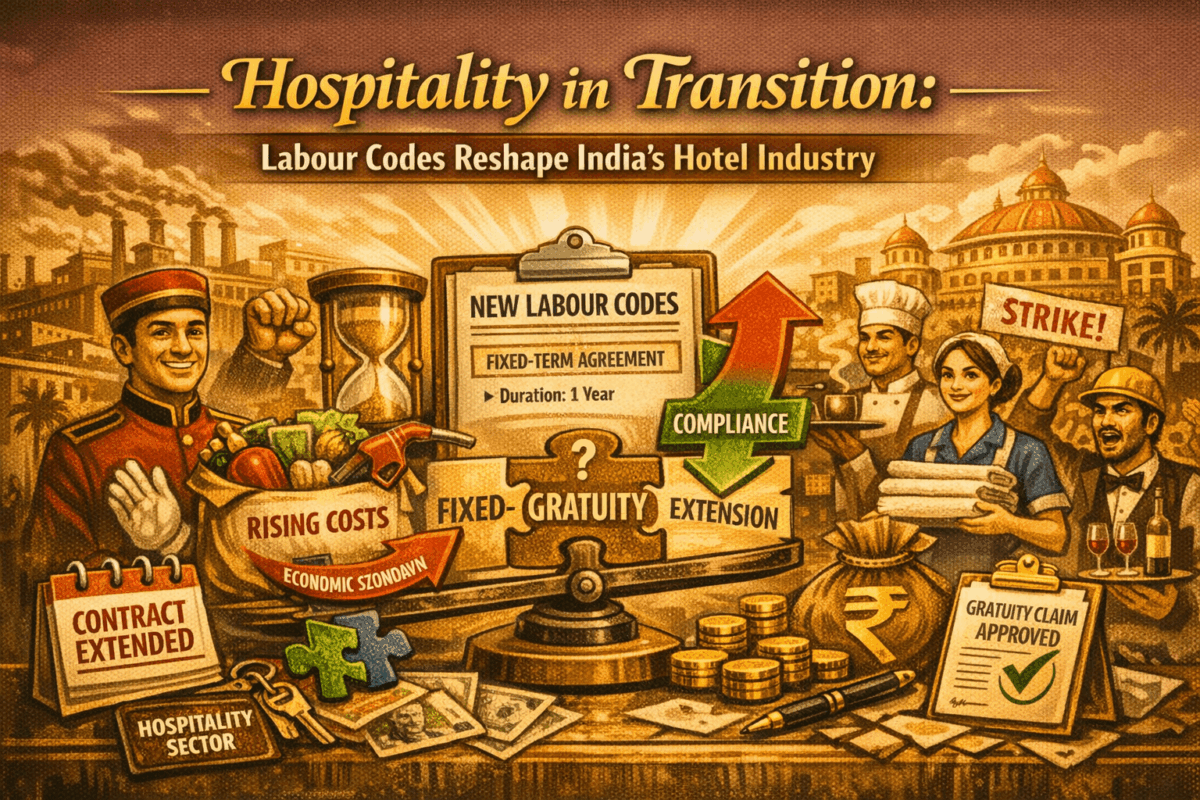
India’s hotel and tourism sector is preparing for a major transformation as the four new labour codes near implementation. Designed to modernize employment practices, the reforms will require hotels to rethink staff scheduling, payroll structures, and social security coverage, while balancing compliance with worker welfare.
The 50% Wage Rule
One of the most significant changes is the redefinition of “wages” under the Code on Wages, 2019. Employers must now ensure that Basic Pay accounts for at least 50% of total remuneration. In hospitality, where salaries are often split into multiple allowances such as uniform or travel perks, HR departments will need to redesign pay structures to meet the threshold while maintaining staff morale.
Flexibility with Safeguards
The new framework allows greater flexibility in scheduling shifts, including the possibility of four-day work weeks with longer daily hours. However, the Occupational Safety, Health and Working Conditions Code, 2020 places strict requirements on worker welfare, ensuring that flexibility does not compromise safety or lead to excessive fatigue in high-pressure service environments.
Extending the Safety Net
For the first time, gig workers and contract staff, essential during peak wedding and holiday seasons will be covered under the Social Security Code, 2020. This expansion means more kitchen, housekeeping, and seasonal staff will gain access to insurance and health benefits, creating a more stable and protected workforce.
Digital-First Compliance
The government is moving toward a unified digital licensing and reporting system. For hotel owners, this replaces multiple paper-based filings with streamlined online processes. While the transition requires investment in technology and training, experts note that it will ultimately reduce administrative burdens and improve transparency.
Compliance Lens
Legal and professional advisors highlight several challenges for the sector:
- Redefining CTC Structures: Employers must adjust salary models without significantly reducing take-home pay, which is critical in service industries.
- Overtime Management: Hotels must track “spread-over” hours including breaks using digital attendance systems to comply with statutory limits.
- Contractor Accountability: As “Principal Employers,” hotels carry greater responsibility for ensuring that outsourced and seasonal staff are registered for social security benefits.
Legal Context
- Code on Wages, 2019 – Section 2(y): Establishes the 50% Basic Pay rule.
- Occupational Safety, Health and Working Conditions Code, 2020: Governs working hours, safety, and welfare provisions.
- Social Security Code, 2020: Extends benefits to gig and contract workers.
- Industrial Relations Code, 2020 – Section 4: Requires clear communication of employment terms, including wage restructuring and benefits.
Outlook
The hospitality industry stands at a turning point. While the new labour codes demand significant restructuring of pay and compliance systems, they also promise a more transparent, secure, and worker-friendly environment. Experts believe that with careful planning and communication, hotels can adapt smoothly, ensuring both compliance and continued service excellence.
Disclaimer: This content is provided for informational purposes only and does not constitute legal, financial, or professional advice. Labour laws and industrial regulations are subject to interpretation and state-specific updates. Readers should consult with official government sources or qualified legal consultants regarding statutory compliance