 Total Visitors
  Online Users
  Today
Today  Yesterday

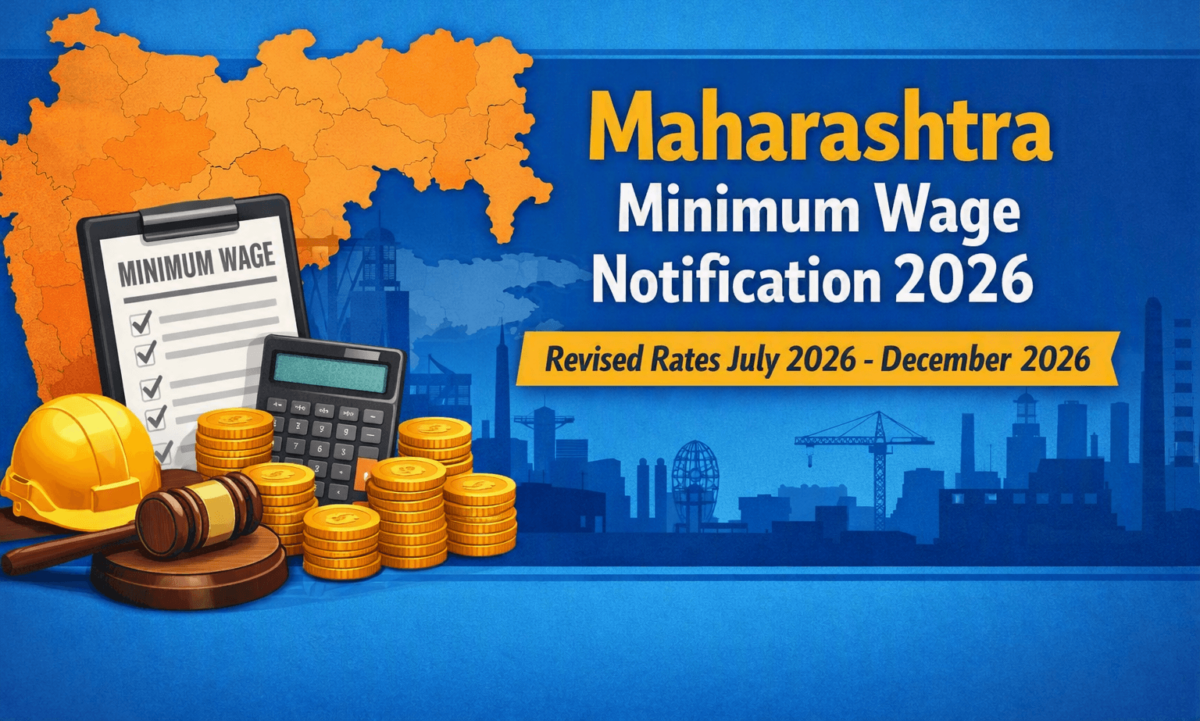
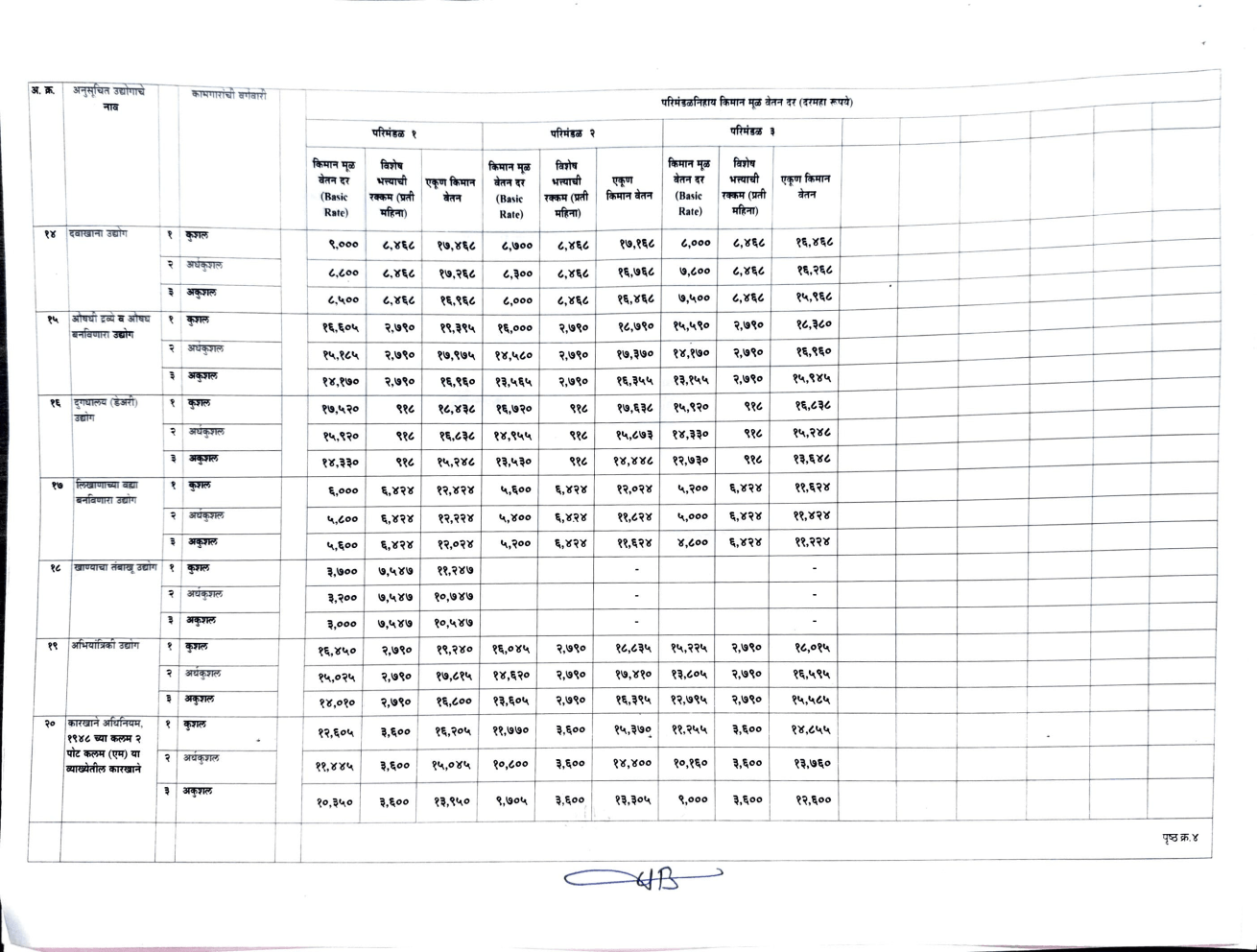
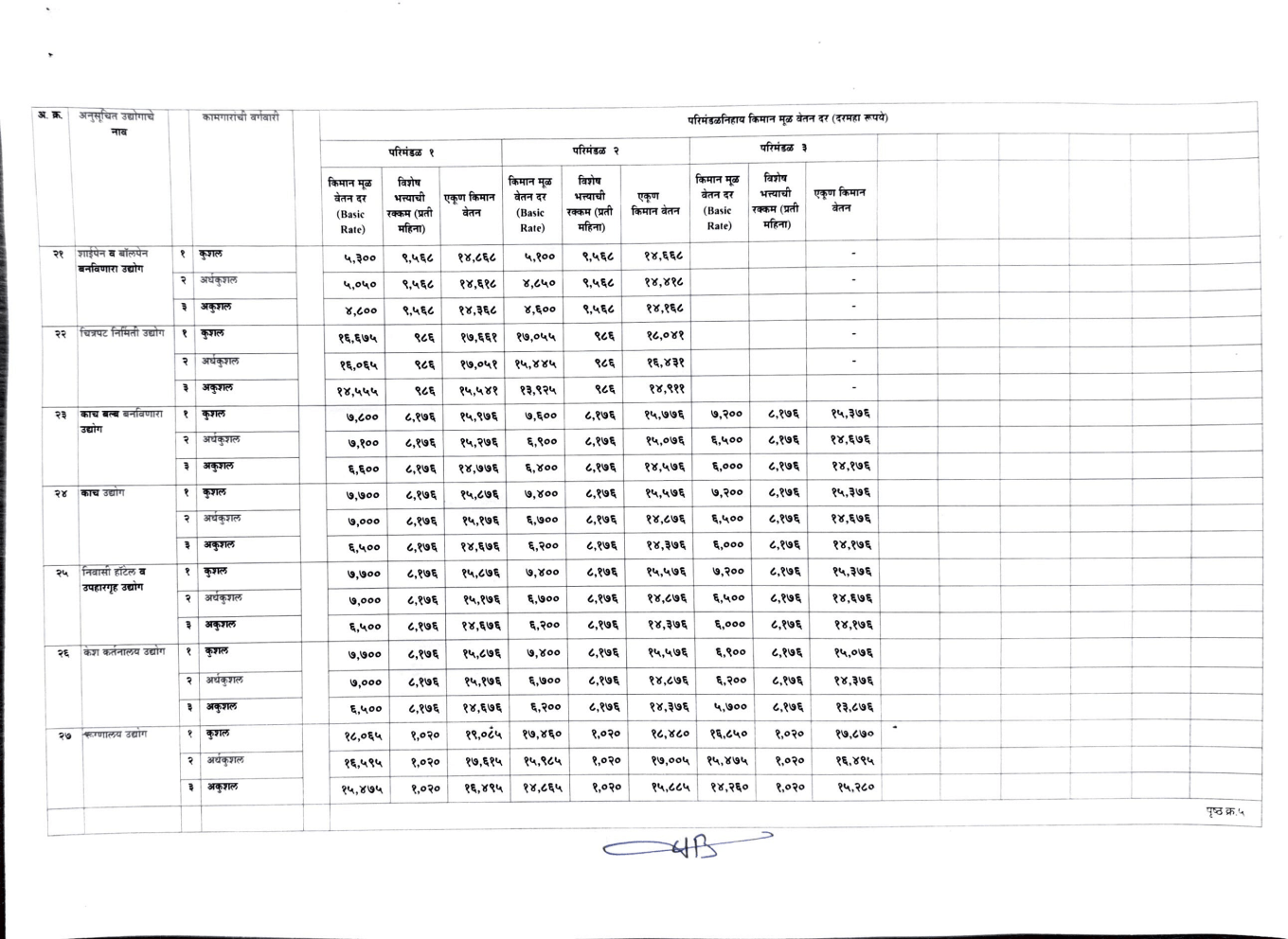
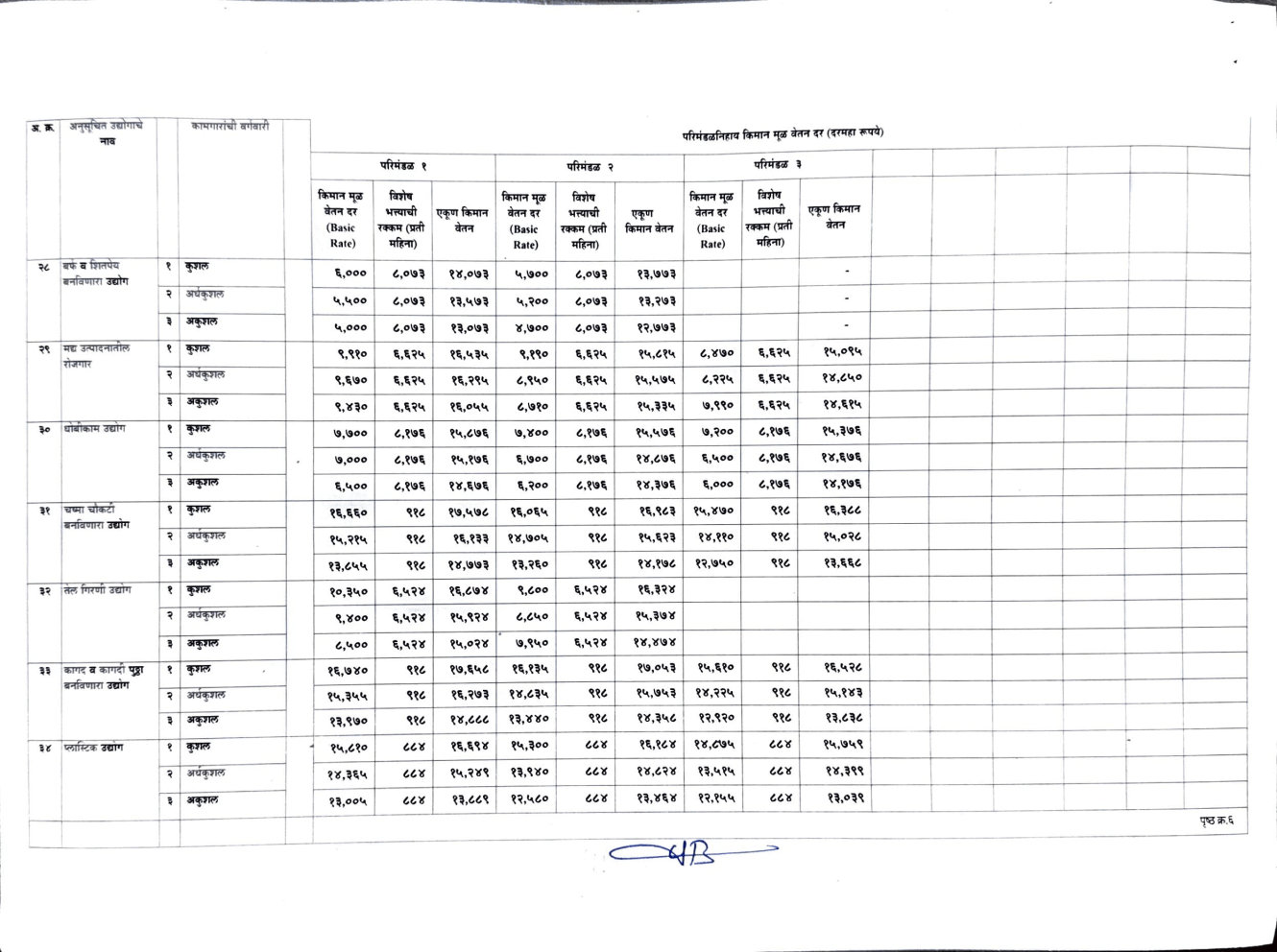
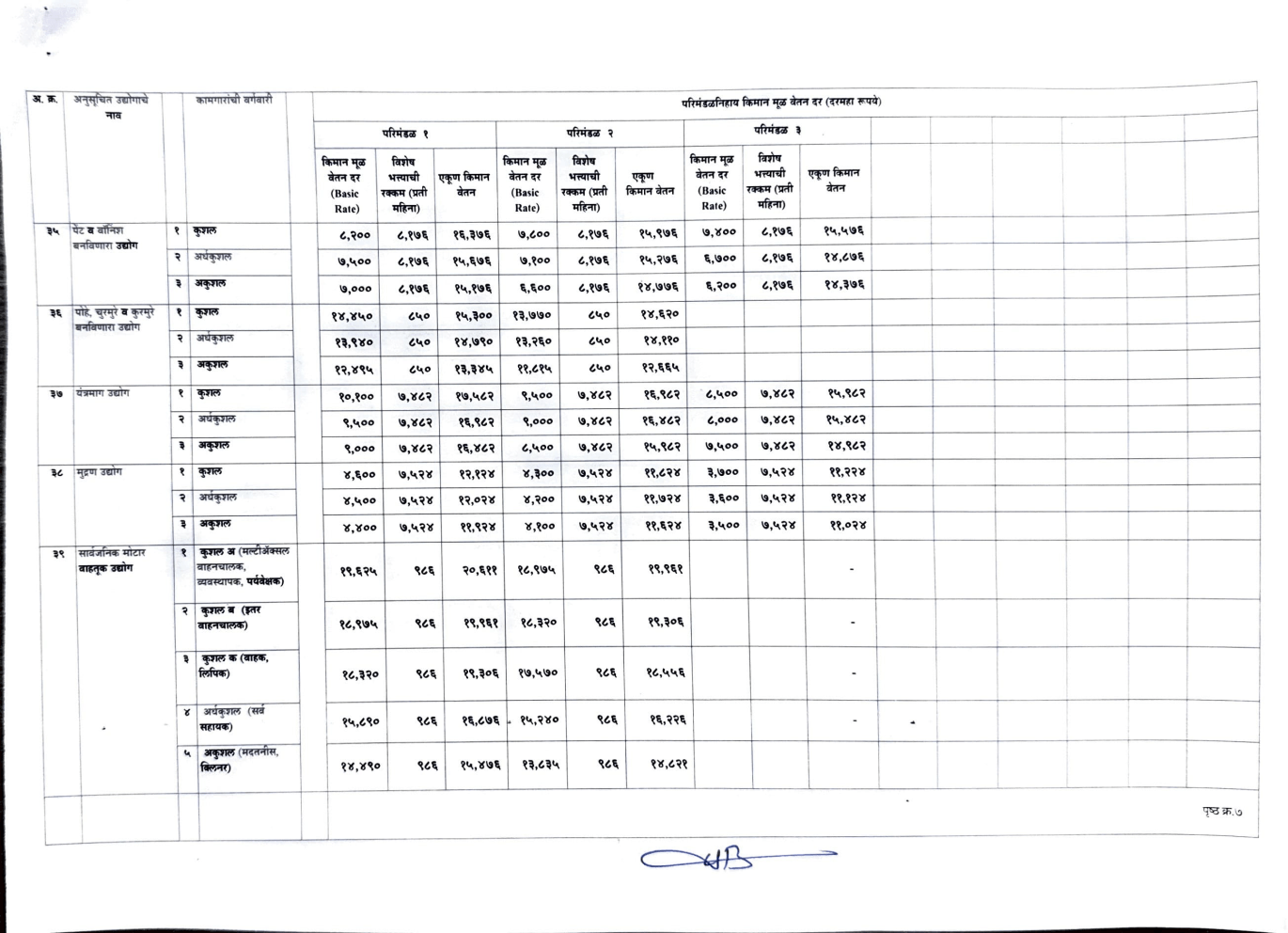
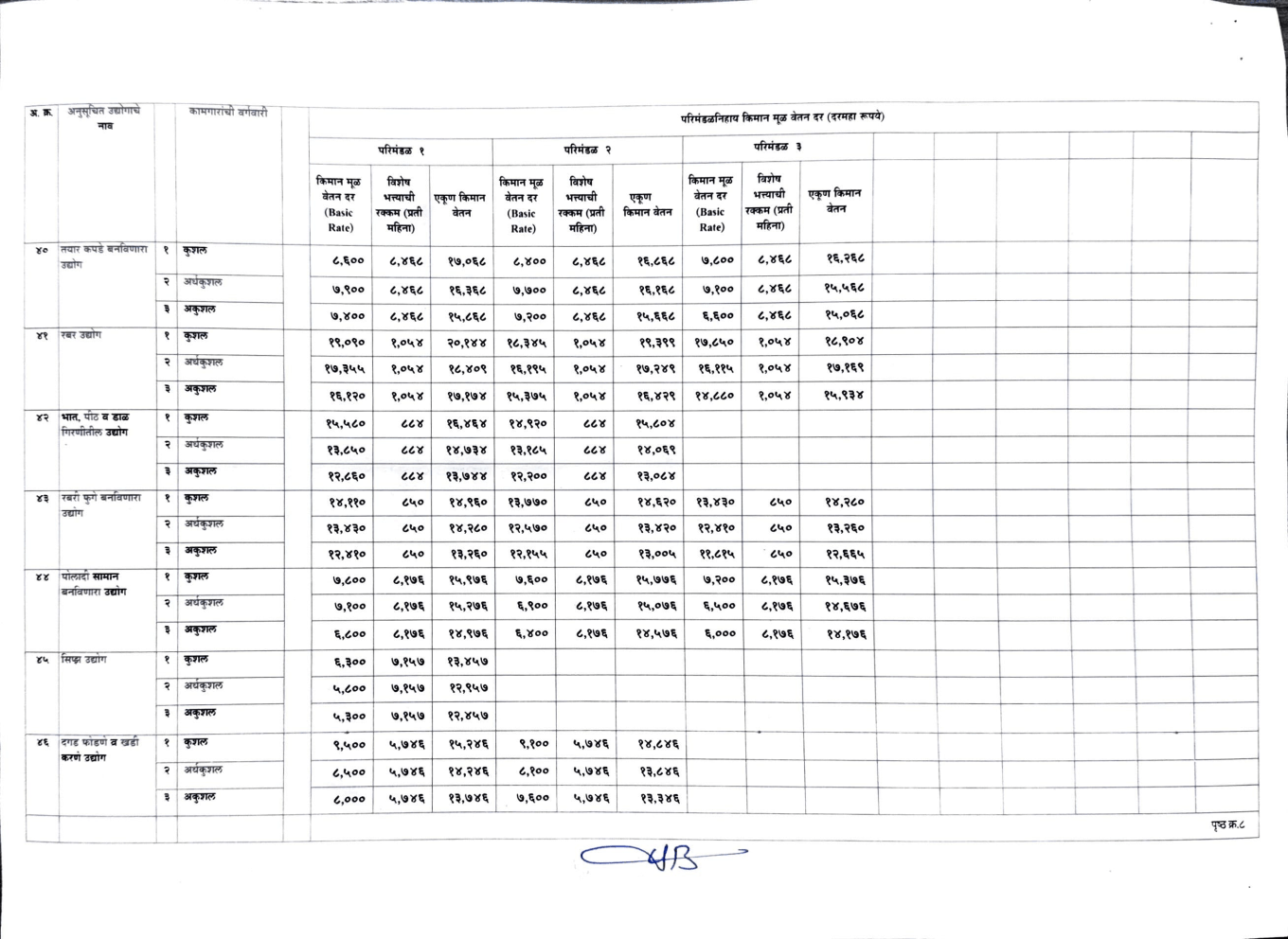
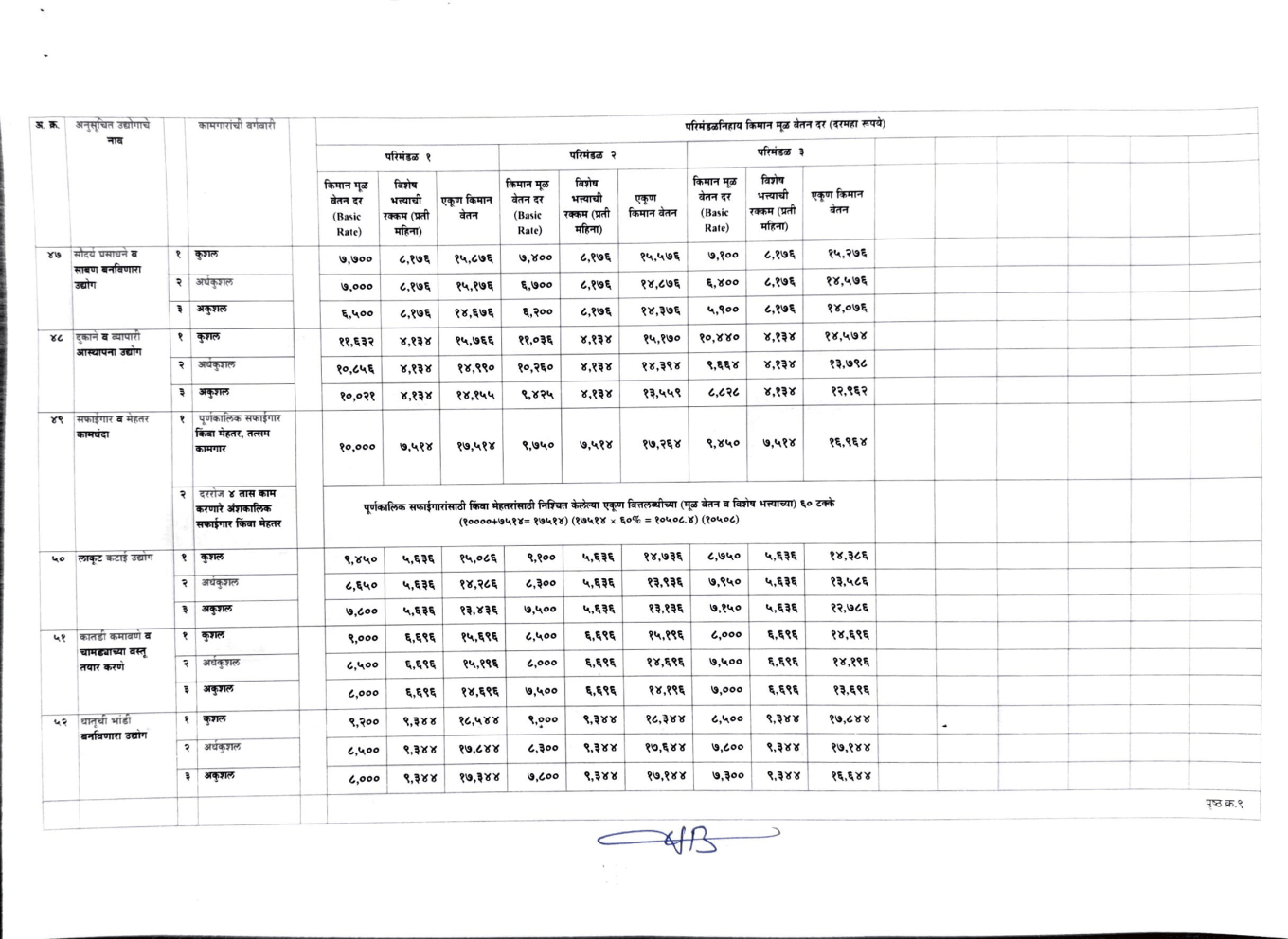
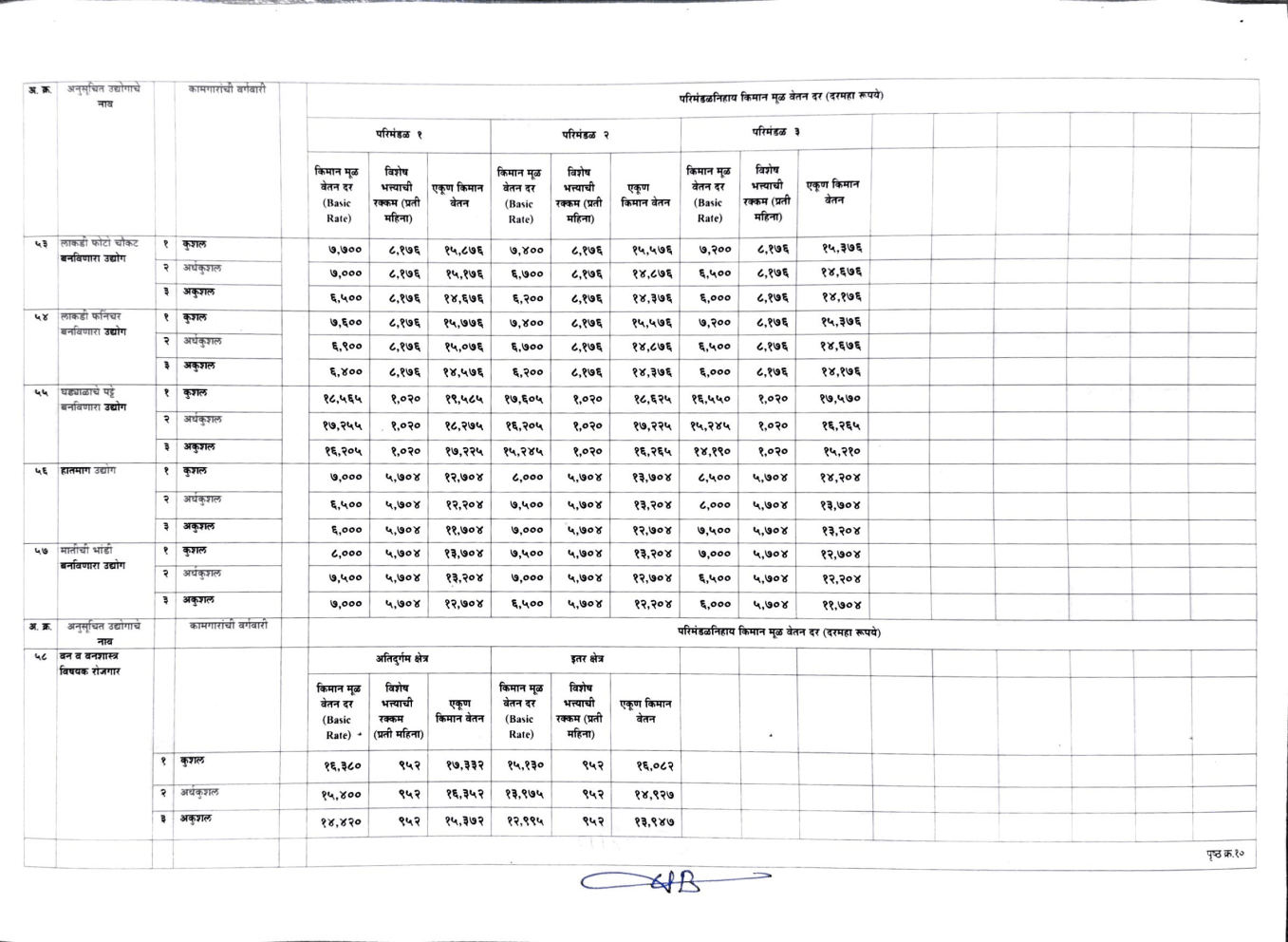
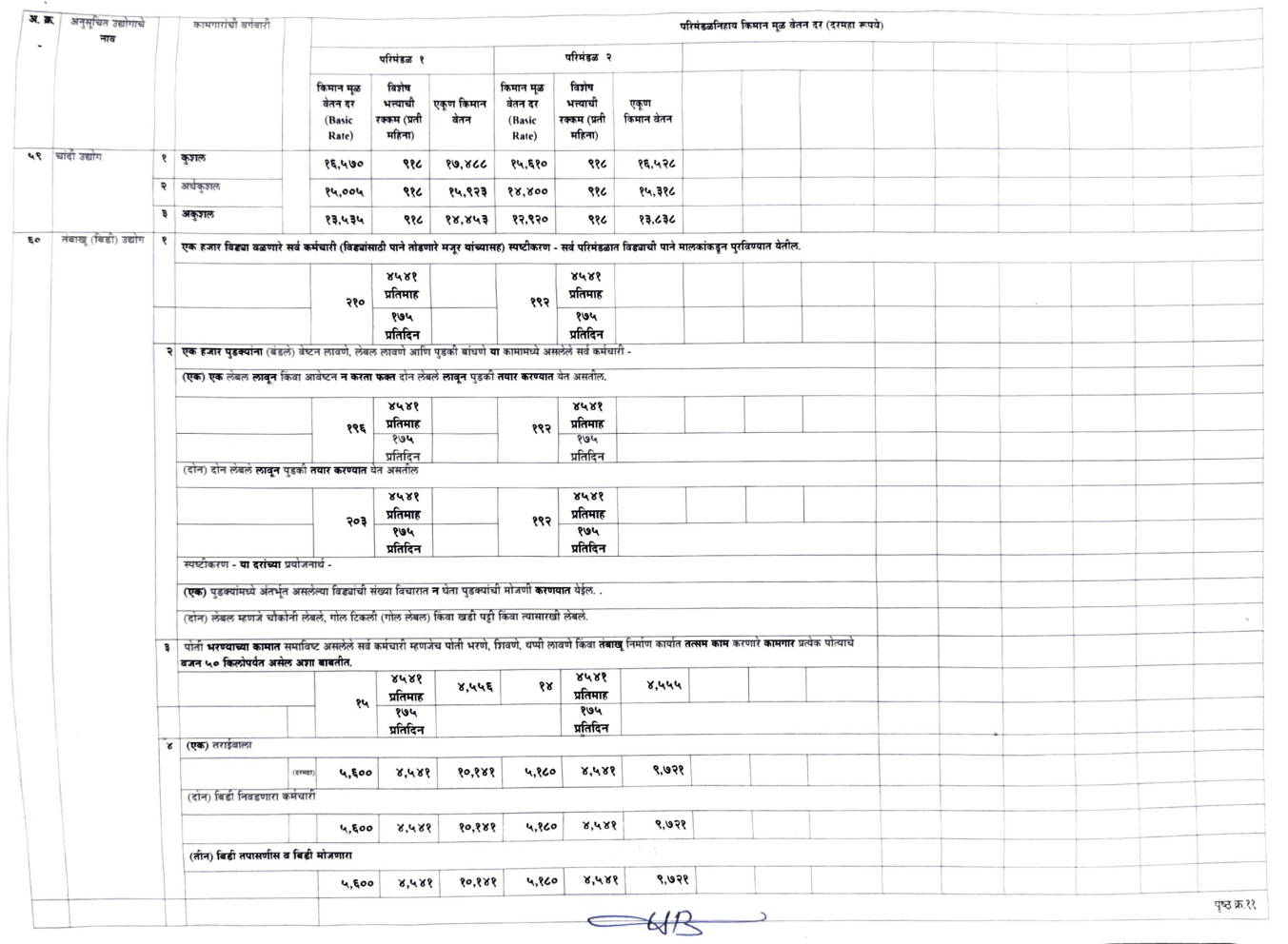
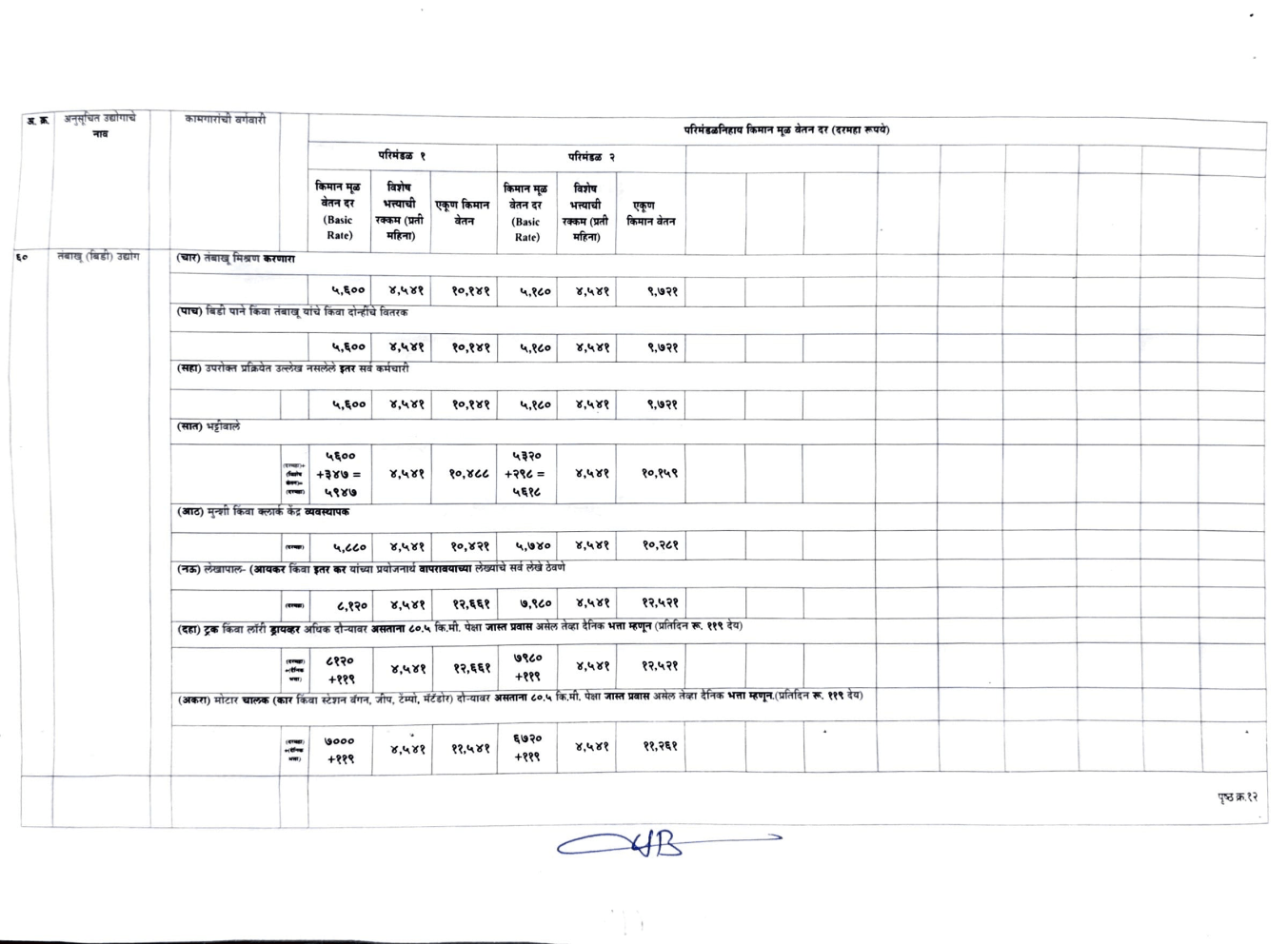
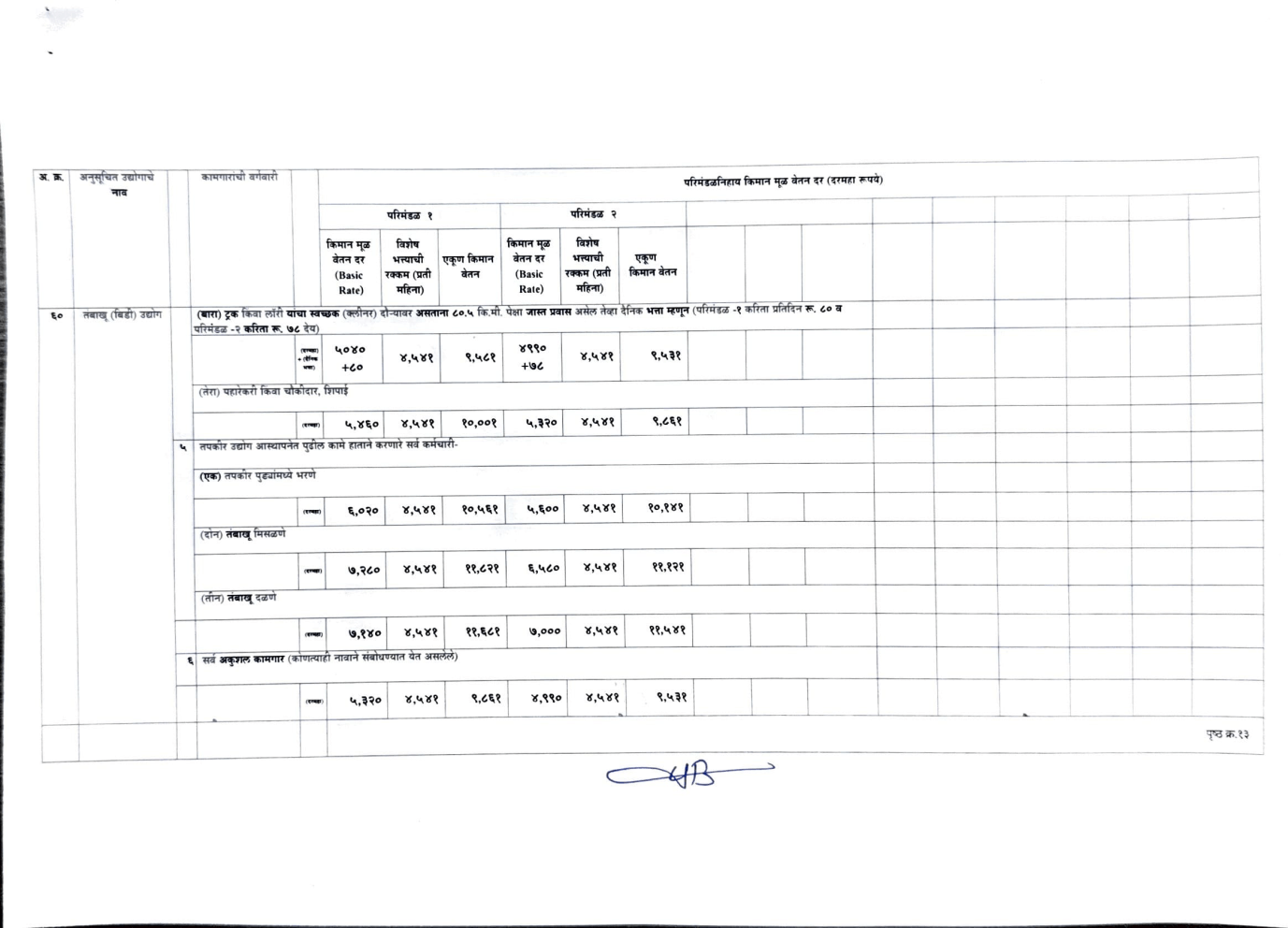
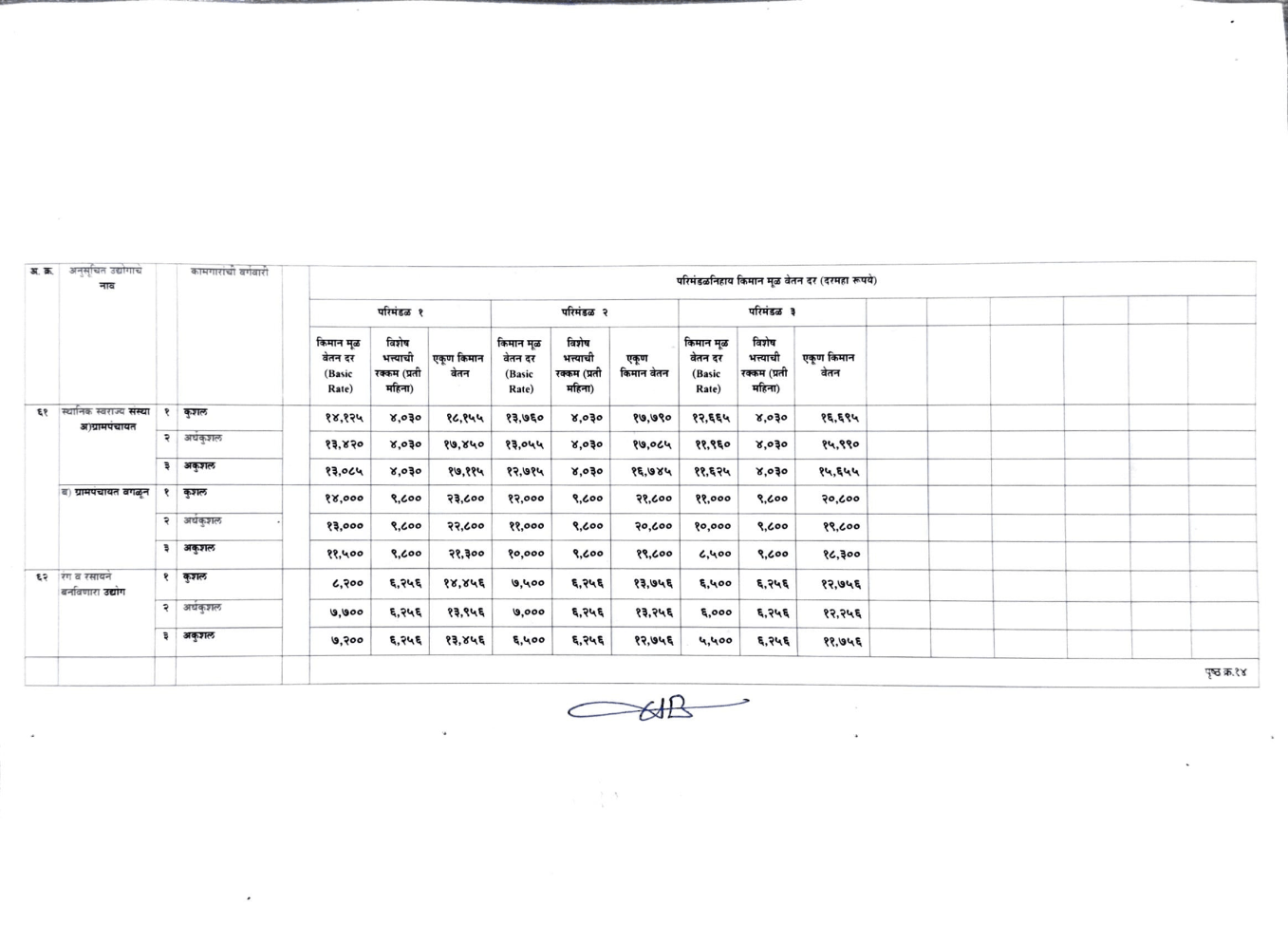
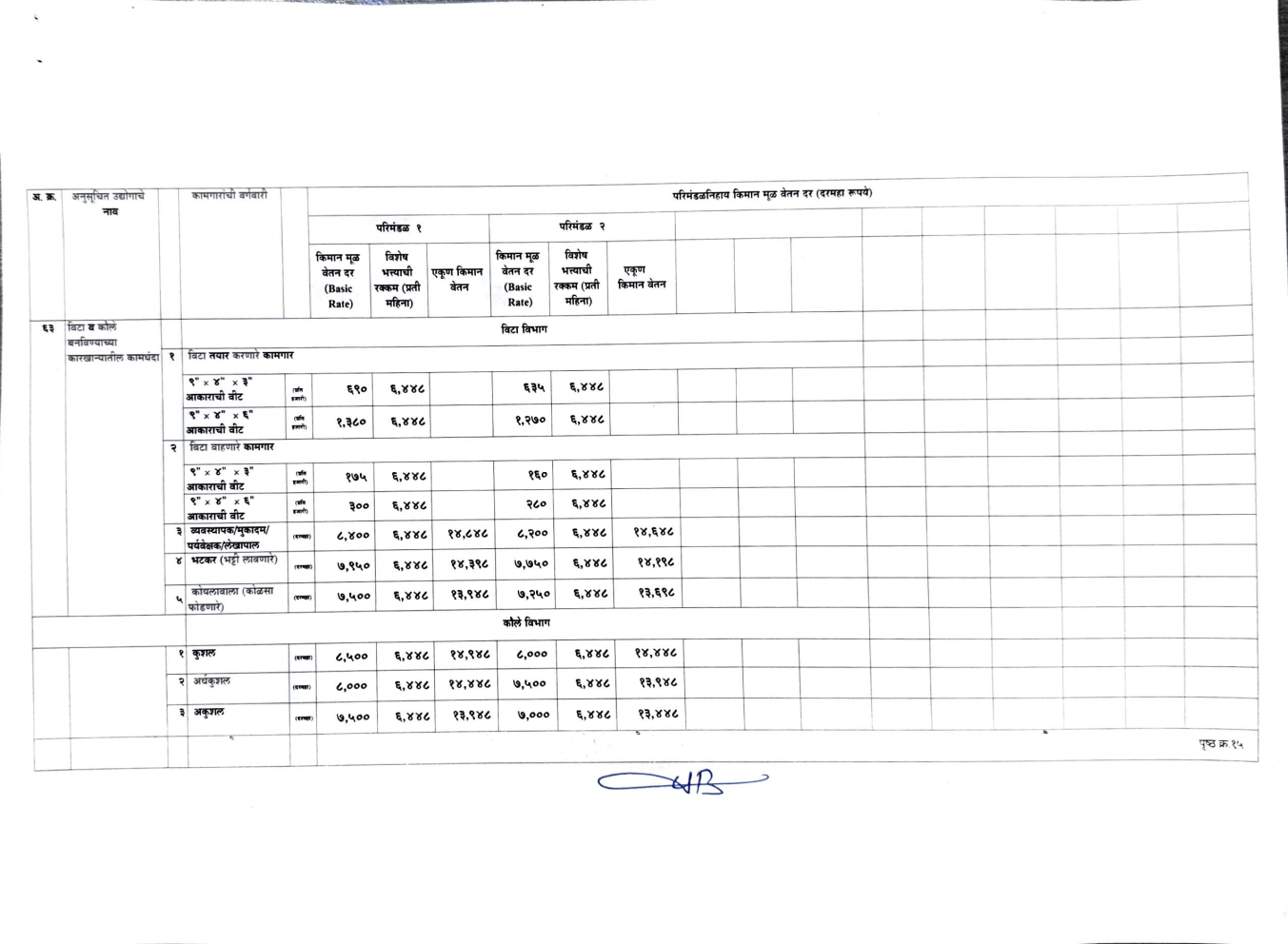
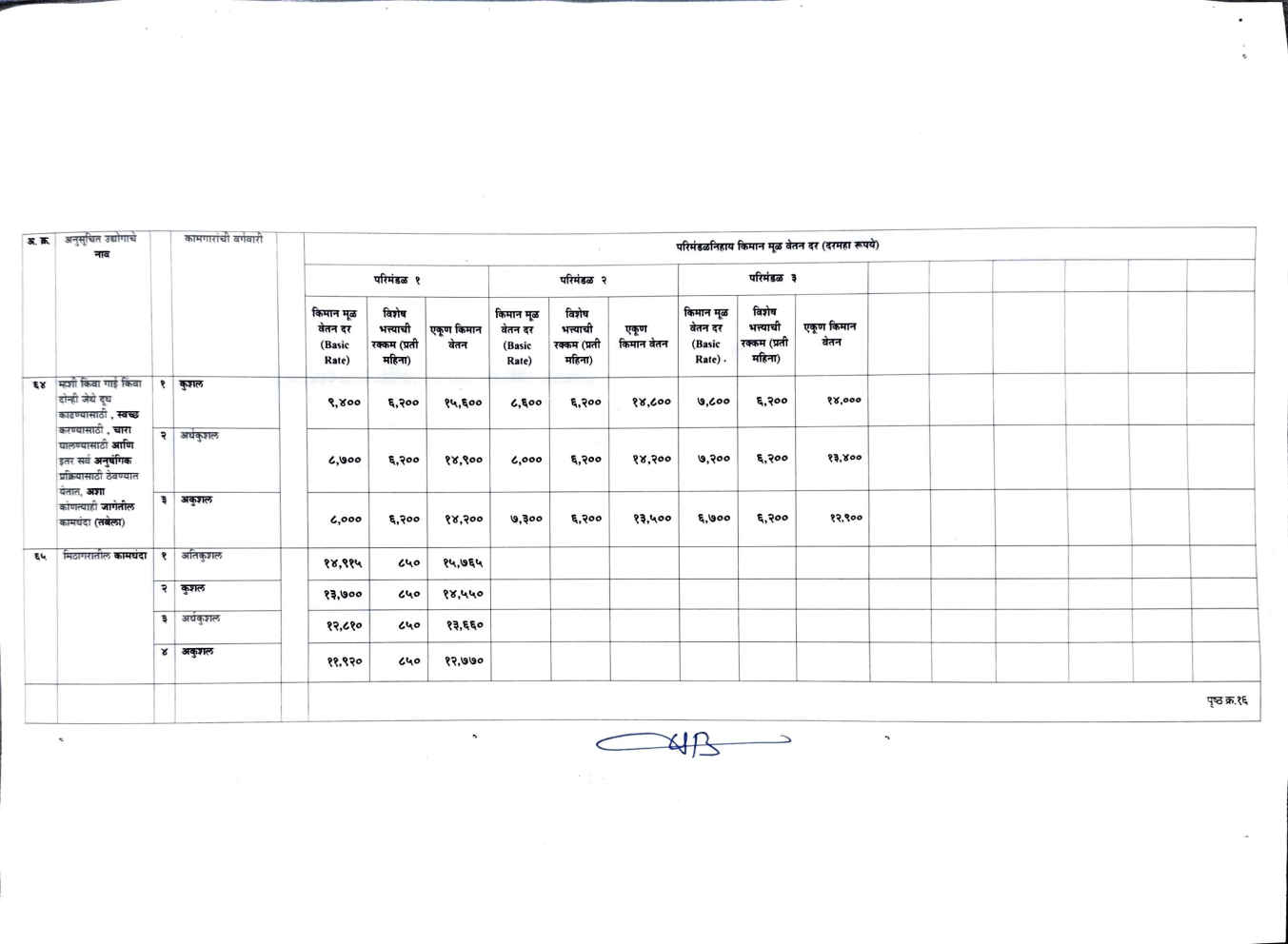
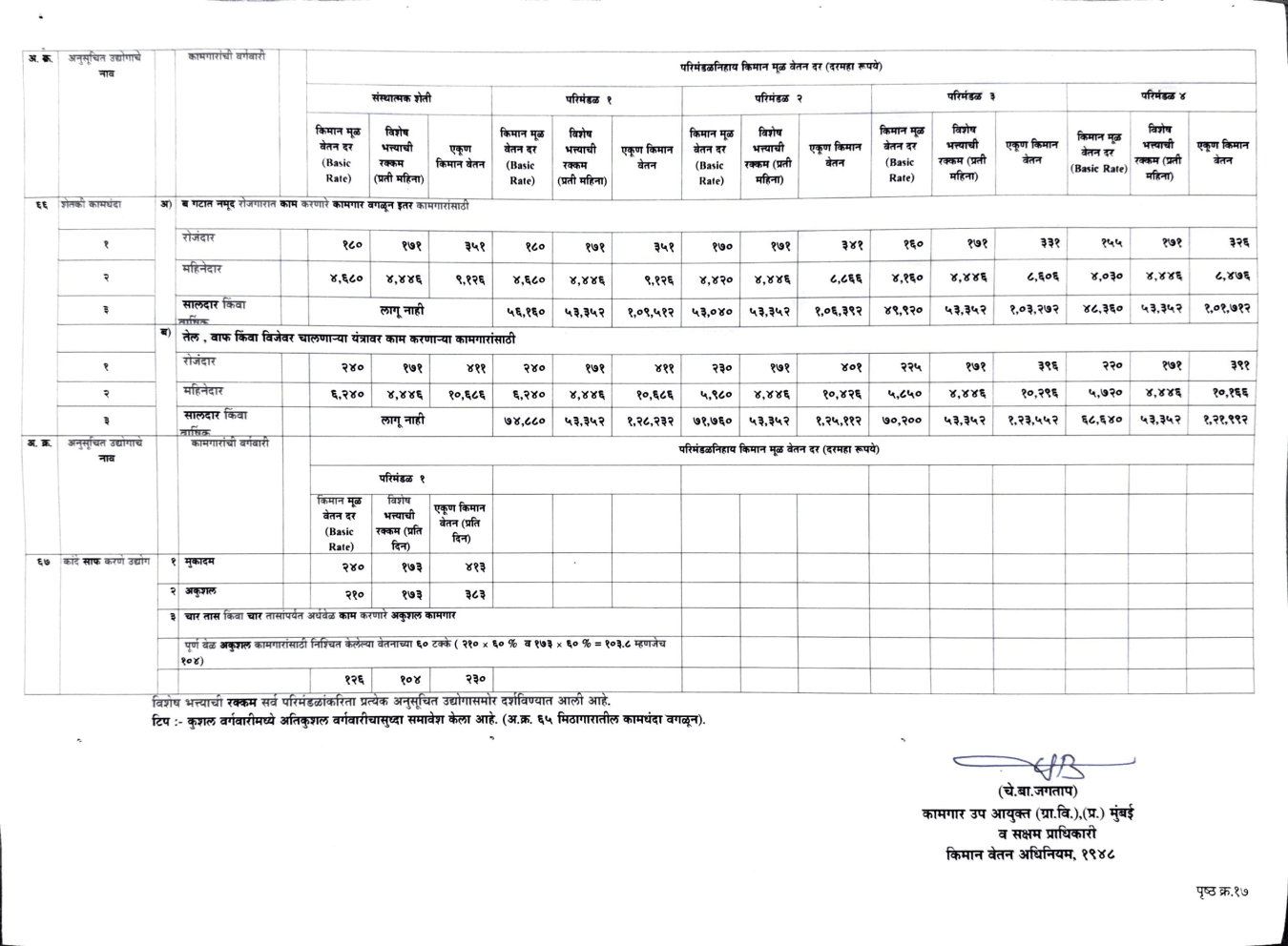
The Hon’ble Office of the Labour Commissioner, Maharashtra, issued half yearly notification [refer below or You can also check this notification and other relevant ones in the Notifications tab https://www.key4comply.com/category/notifications/ on our website for your reference. https://www.key4comply.com/wp-content/themes/key4comply/docs/notifications/2026/maharashtra-revised-minimum-wages-notification-july-2026-dec-2026.pdf ] on August 5, 2026, that every employer and employee in the state needs to be aware of. This notification revises the minimum wages for the period from July 1, 2026, to December 31, 2026. Understanding these changes isn’t just about compliance but it’s about ensuring fair compensation and avoiding legal complications.
What This Notification Really Means
Simply put, the government has updated the minimum wage rates that employers must pay to workers in various scheduled employments across Maharashtra. The revision is part of the ongoing process under the Minimum Wages Act, 1948, and reflects changes in the cost of living through the Variable Dearness Allowance (VDA).
The notification applies to a wide range of industries and sectors. While the exact wage figures vary based on the employment type and skill level, the key takeaway is that wages are now higher than before.
Breaking Down the Key Components
Understanding minimum wage calculations isn’t as complicated as it seems. The total minimum wage consists of two main parts:
- Basic Minimum Wage: The fixed base amount for a particular skill level and zone
- Special Allowance (Variable Dearness Allowance): This component adjusts based on the cost-of-living index
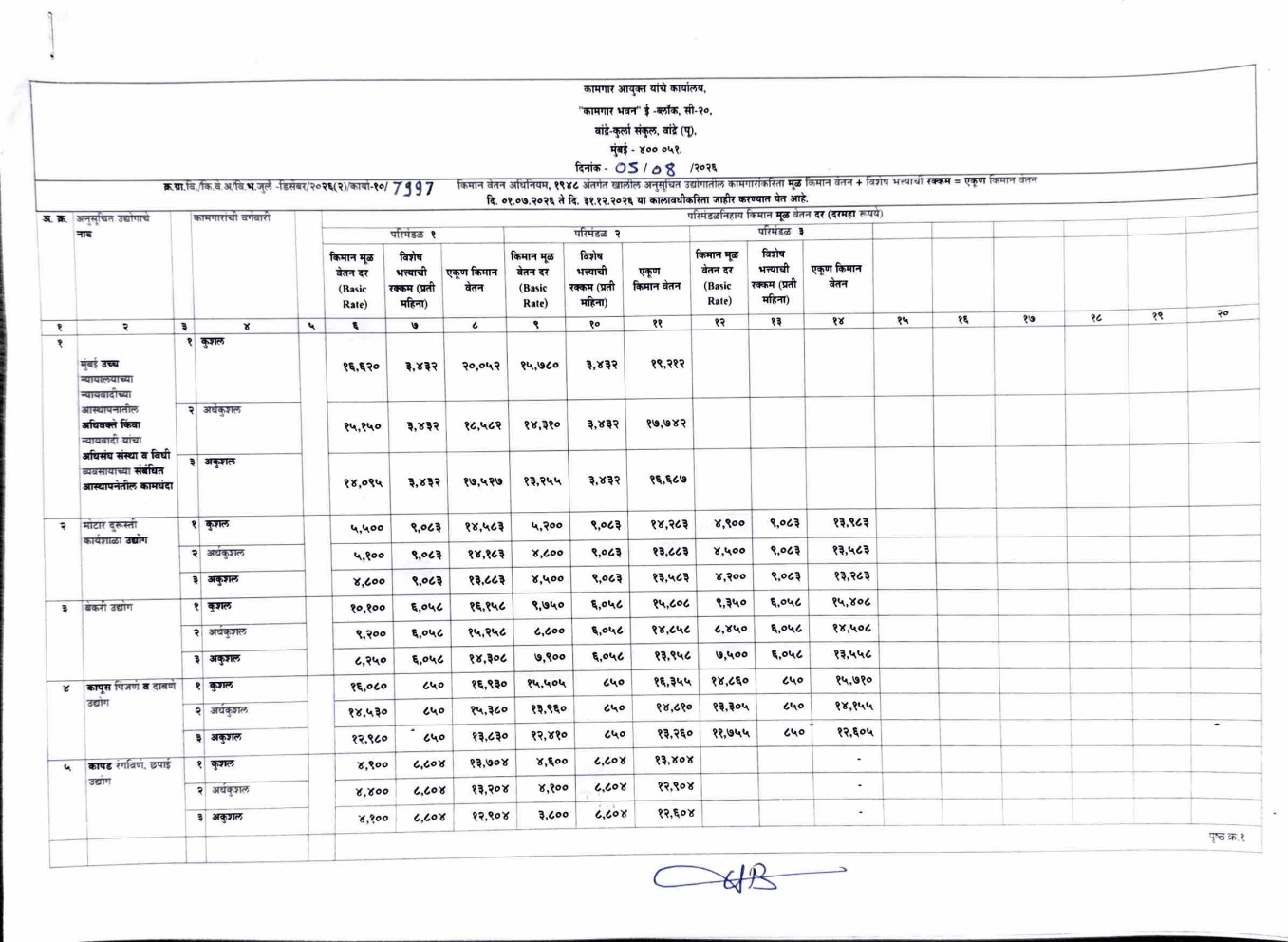
For instance, skilled workers in Advocates’ Offices and Bombay High Court Bar Association establishments in Circle I are entitled to a total monthly wage of ₹20,052. This amount includes both the basic wage and the special allowance.
Zone-Wise Classification
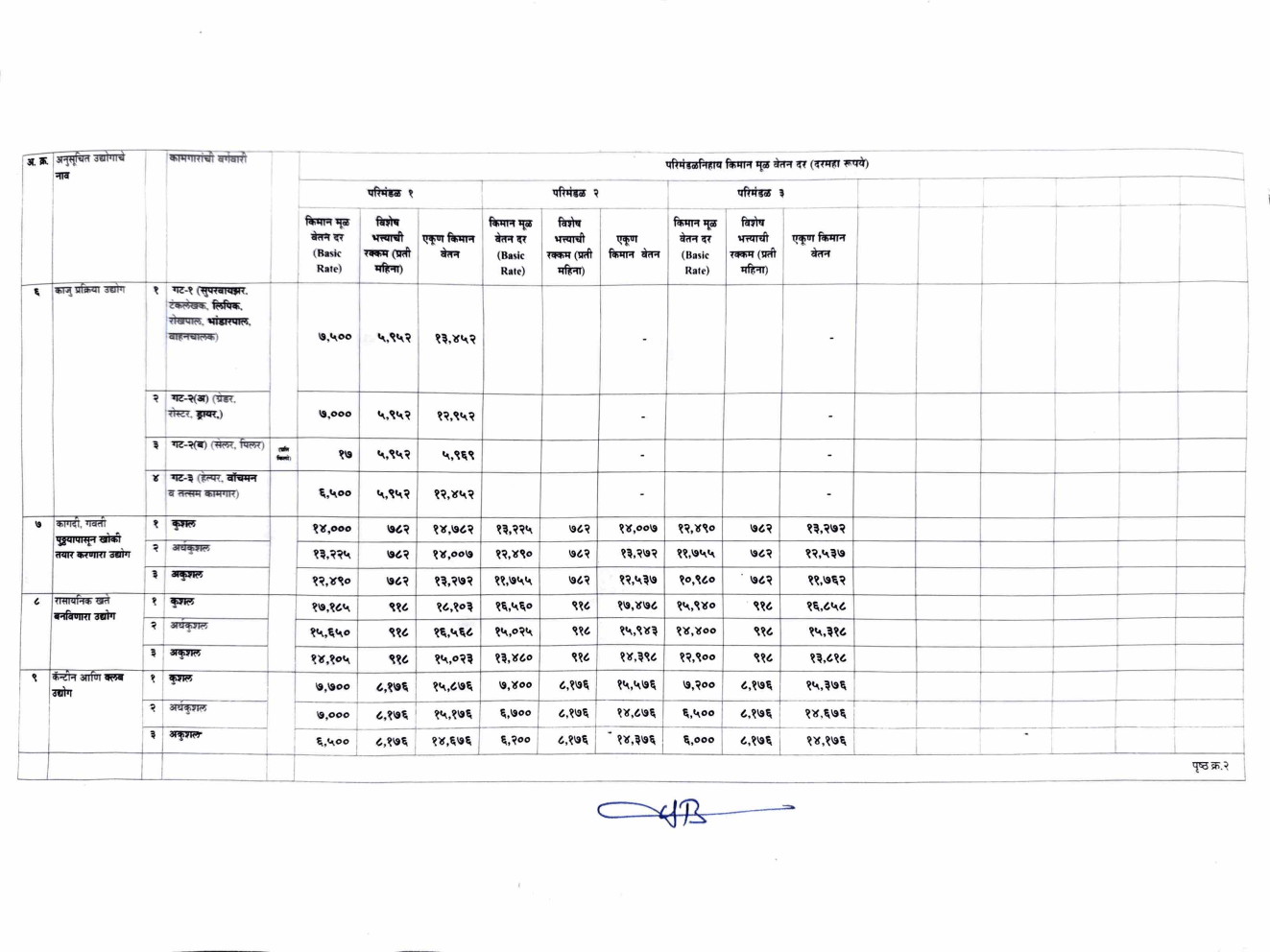
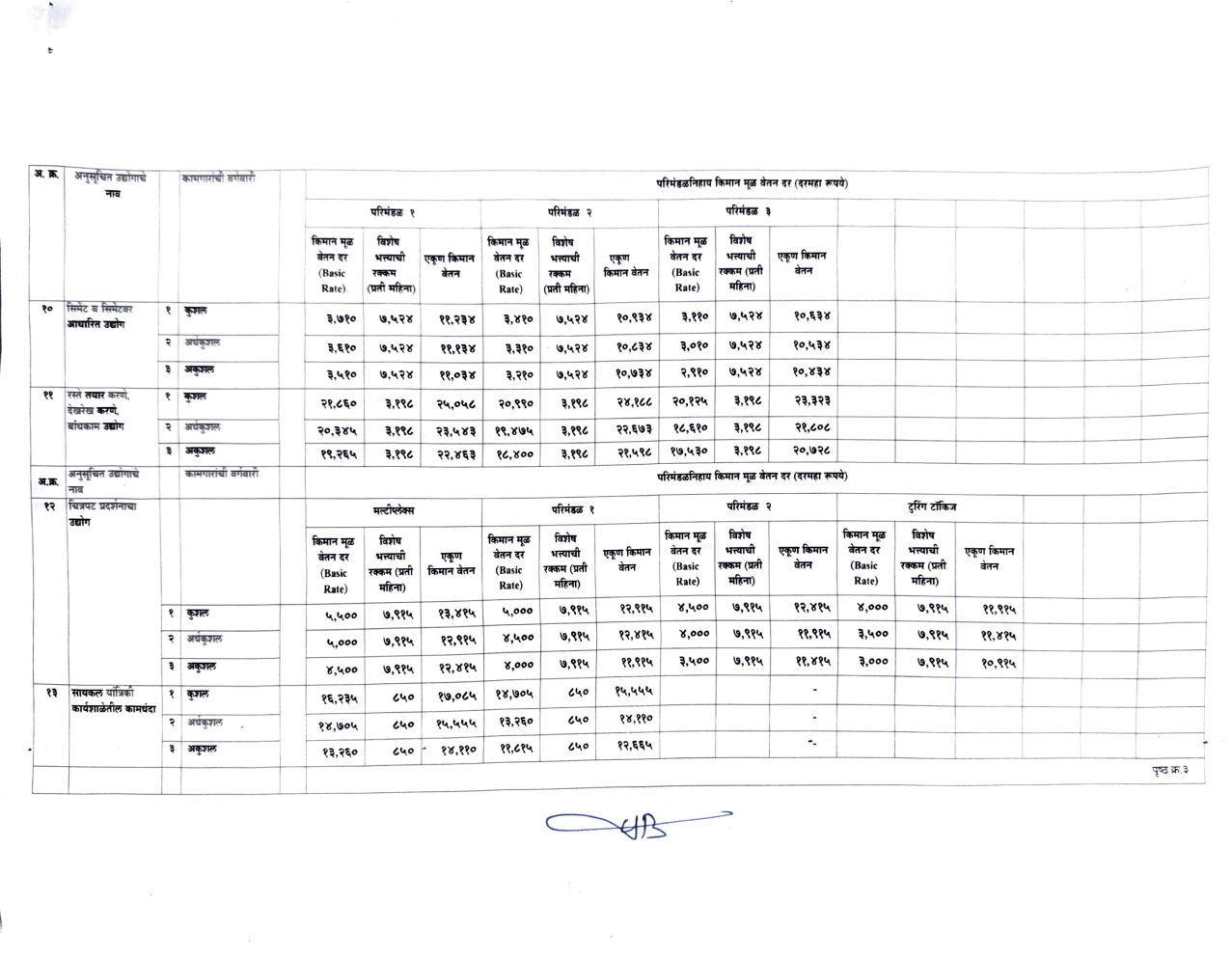
Maharashtra is divided into three wage circles or zones viz. Circle I, II, and III. The classification depends on the location of the workplace. Workers in more urban or developed areas typically fall under Circle I and receive higher wages than those in Circle III.
This tiered system ensures fair compensation based on the cost of living in different regions of the state.
Who Is Covered?
The notification applies to employees working in “scheduled employments” as defined under the Minimum Wages Act, 1948. Some covered sectors include:
- Motor repair workshops
- Bakery industry
- Cotton ginning and pressing industry
- Textile dyeing and printing industry
- Shops and commercial establishments
- Canteens and clubs
- Gram Panchayats
- And many other scheduled sectors
Skill Level Classifications
The minimum wage rates are categorized based on the employee’s skill level. Here’s how the government typically defines these categories:
- Unskilled Worker: Performs simple duties requiring little independent judgment or previous experience
- Semi-skilled Worker: Performs routine work with limited scope where major decisions are made by others
- Skilled Worker: Capable of working efficiently with considerable independent judgment and comprehensive knowledge of the trade
Important Compliance Dates
The revised rates are effective retrospectively from July 1, 2026, and will remain in force until December 31, 2026, unless modified earlier. Employers must ensure they’ve been paying the revised rates since July 1, 2026, and need to compensate any shortfall for the months of July and August 2026.
What Employers Must Do
If you’re an employer in Maharashtra covered under scheduled employments, you need to act now:
- Review your wage structure: Check if you’re paying the revised rates for your industry, skill level, and zone
- Compute arrears: Calculate any outstanding amounts for July and August 2026
- Update payroll systems: Ensure all future payments reflect the new rates
- Maintain proper records: Keep wage registers and payment documentation for inspection
What Workers Should Know
For workers, this notification reinforces your right to fair compensation. You should:
- Check your pay slips: Verify that you’re receiving the applicable minimum wage
- Know your classification: Understand your skill level and zone classification
- Report violations: If you believe you’re being underpaid, raise the issue with your employer or labour authorities
The Bigger Picture
This revision is part of Maharashtra’s ongoing commitment to protecting workers’ rights. As of July 1, 2026, the state’s rural employment wage floor also increased to ₹317 per day under national schemes. This reflects a broader trend toward ensuring that wages keep pace with the rising cost of living.
Disclaimer: The information provided in this article is for general informational purposes only and does not constitute legal advice. While every effort has been made to ensure accuracy, wage laws and regulations are subject to interpretation and change. Employers and workers should consult the official notification and seek professional legal counsel for specific guidance. The author and publisher assume no liability for actions taken based on this information.