 Total Visitors
  Online Users
  Today
Today  Yesterday

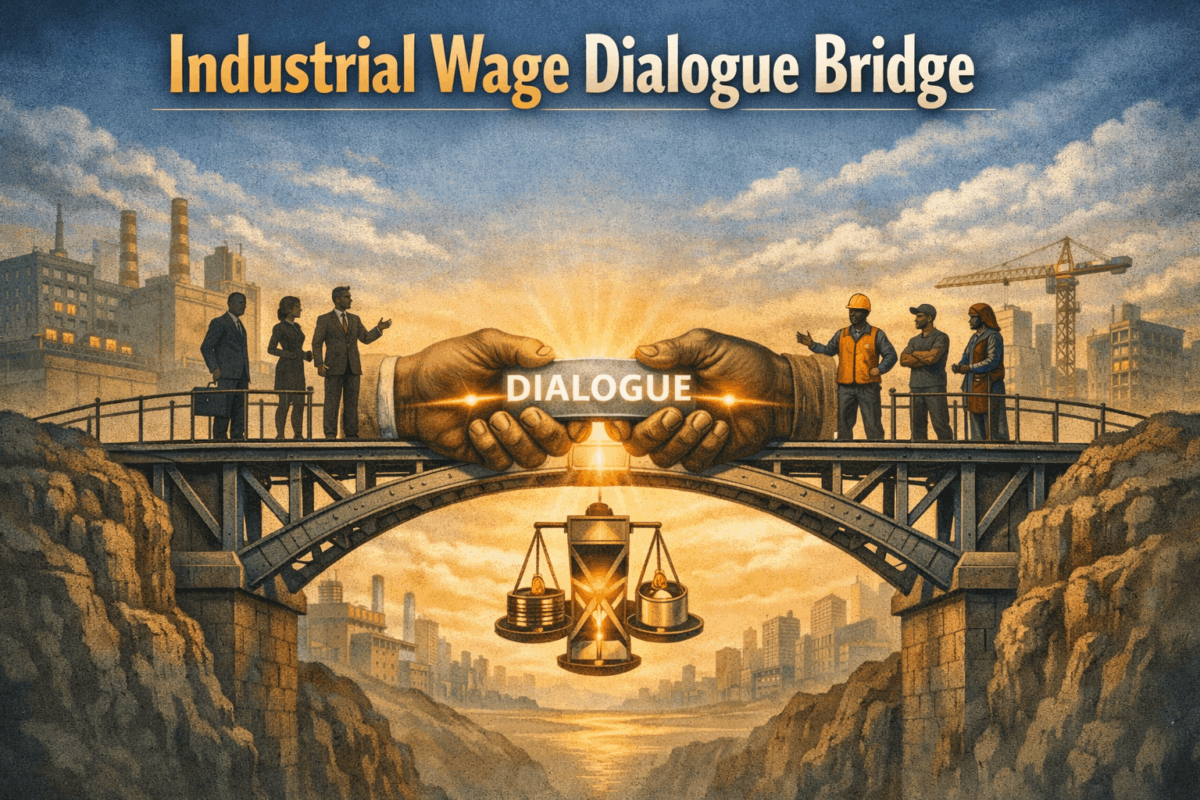
Recent industrial tensions in manufacturing hubs like Noida highlight a growing disconnect between stagnant wages and the rising cost of urban living. Addressing these concerns requires a collaborative effort to ensure that economic growth translates into sustainable livelihoods for the country’s essential workforce.
The Breakdown
- The Reality of Rising Costs: For many workers, the “real value” of their earnings has diminished as inflation impacts basic necessities like food, fuel, and housing. Even when nominal wages rise slightly, the sharp increase in city living expenses often leaves families with less disposable income than they had years ago.
- The Stagnation Factor: While India’s industrial productivity has seen upward trends, wage growth in many sectors has not moved at the same pace. This gap creates a sense of economic “precarity,” where workers feel they are contributing to growth without fully participating in its financial rewards.
- Beyond the Salary: The unrest isn’t just about the number on a salary slip; it’s about the “social wage.” This includes access to affordable healthcare, stable housing, and predictable working hours. When these basic pillars are missing, even a moderate wage hike may not be enough to ensure long-term industrial peace.
- The Path of Dialogue: Resolving these tensions involves moving away from reactive measures and toward proactive communication. Strengthening the relationship between management and labour unions is essential to creating a transparent environment where grievances can be addressed before they escalate.
The Compliance Lens
From a professional and regulatory perspective, the current industrial climate reveals several areas for improvement and compliance challenges:
- Wage Indexing Gaps: There is a notable opportunity to modernize how the Consumer Price Index (CPI) is used to adjust wages. Current models may not fully capture the high weight of urban rent and private healthcare costs faced by migrant workers.
- Formalization of Grievances: A key challenge is the lack of formal internal dispute resolution mechanisms in many factories. Implementing structured “Work Committees” as per the Industrial Disputes Act can help bridge the procedural gap between floor workers and management.
- Statutory Transparency: There is a need for better digital tracking of “Contract Labour” payments. Ensuring that third-party contractors adhere to statutory minimums is a significant compliance hurdle that requires stricter oversight from principal employers.
Legal Context
- Code on Wages, 2019 – Section 8: Provides for periodic revision of minimum wages.
- Industrial Disputes Act, 1947 / Industrial Relations Code, 2020: Establishes mechanisms for grievance redressal and collective bargaining.
- Directive Principles (Article 43): Calls for securing living wages and humane working conditions.
Outlook
The current industrial wage dialogue reflects India’s broader challenge of balancing productivity gains with equitable compensation. Observers note that modernizing wage indexing, strengthening grievance mechanisms, and improving transparency in contract labour practices will be key to fostering industrial stability in the years ahead.
Disclaimer: This content is provided for informational purposes only and does not constitute legal, financial, or professional advice. Labour laws and industrial regulations are subject to interpretation and frequent updates. Readers should consult with official government sources or qualified legal consultants regarding statutory compliance and industrial relations.